Lata Mangeshkar recorded for Hindi films from 1942 until the 2010s. Nobody agrees on exactly how many songs that adds up to, and in a sense the number is beside the point. What matters is that for roughly fifty of those years, the sound of a woman singing in a Hindi film was, by default, her voice. Every composer of the golden era wrote with her in mind, and every female playback singer who followed has been measured against her.
Choosing twenty-five songs from that body of work is an act of omission more than selection. We have tried to cover every decade, every major composer she worked with, and every mode she excelled in: the ghost song, the ghazal, the bhajan, the duet, the lullaby and the late-career comeback. The list runs chronologically rather than by rank, because ranking Lata against Lata is a fool's errand.
The 1940s and 1950s: The Voice Arrives
1. Aayega Aanewala (Mahal, 1949)
Composer: Khemchand Prakash. The song that made her. Lata had just turned 20, and the recording, with its long spoken-sung prelude and echoing production, turned a haunted-house film into a sensation. Radio listeners wrote in demanding to know who the singer was. Playback singers had not been credited until then; after Mahal, they were.
 Aayega Aanewala
2. Yeh Zindagi Usi Ki Hai (Anarkali, 1953)
Composer: C. Ramchandra. Two versions exist, one joyful and one devastated, and the second is the one that endures. Ramchandra's arrangement leaves her almost alone with the melody.
 Yeh Zindagi Usi Ki Hai
3. Rasik Balma (Chori Chori, 1956)
Composer: Shankar-Jaikishan. A yearning, classically rooted melody from the Raj Kapoor and Nargis romance. Listen for the way she bends the word balma differently each time.
 Rasik Balma
The 1960s: The Golden Decade
4. Pyar Kiya To Darna Kya (Mughal-e-Azam, 1960)
Composer: Naushad. Sung for Madhubala in the Sheesh Mahal, recorded in a studio bathroom to get the echo Naushad wanted. Defiance has never sounded so elegant.
 Pyar Kiya To Darna Kya
5. Ajeeb Dastan Hai Yeh (Dil Apna Aur Preet Parai, 1960)
Composer: Shankar-Jaikishan. A waltz about watching someone you love marry someone else. The lightness of the tune against the weight of the lyric is the whole art of playback singing in three minutes.
 Ajeeb Dastan Hai Yeh
6. Allah Tero Naam (Hum Dono, 1961)
Composer: Jaidev. The definitive film bhajan. Jaidev gave her a prayer with almost no ornamentation, and she sang it as if the words were enough.
 Allah Tero Naam
7. Kahin Deep Jale Kahin Dil (Bees Saal Baad, 1962)
Composer: Hemant Kumar. The great suspense song. The long, floating opening phrase is one of the most imitated in Hindi cinema.
 Kahin Deep Jale Kahin Dil
8. Aap Ki Nazron Ne Samjha (Anpadh, 1962)
Composer: Madan Mohan. The beginning of the Lata and Madan Mohan partnership at full strength. Madan Mohan's ghazals were written for her range and her restraint, and this is the first masterpiece of the collaboration.
 Aap Ki Nazron Ne Samjha
9. Ae Mere Watan Ke Logon (1963, non-film)
Composer: C. Ramchandra, lyrics by Kavi Pradeep. Performed live in Delhi in January 1963, two months after the war with China, reportedly moving Prime Minister Nehru to tears. It is still the song India plays on Republic Day.
 Ae Mere Watan Ke Logon
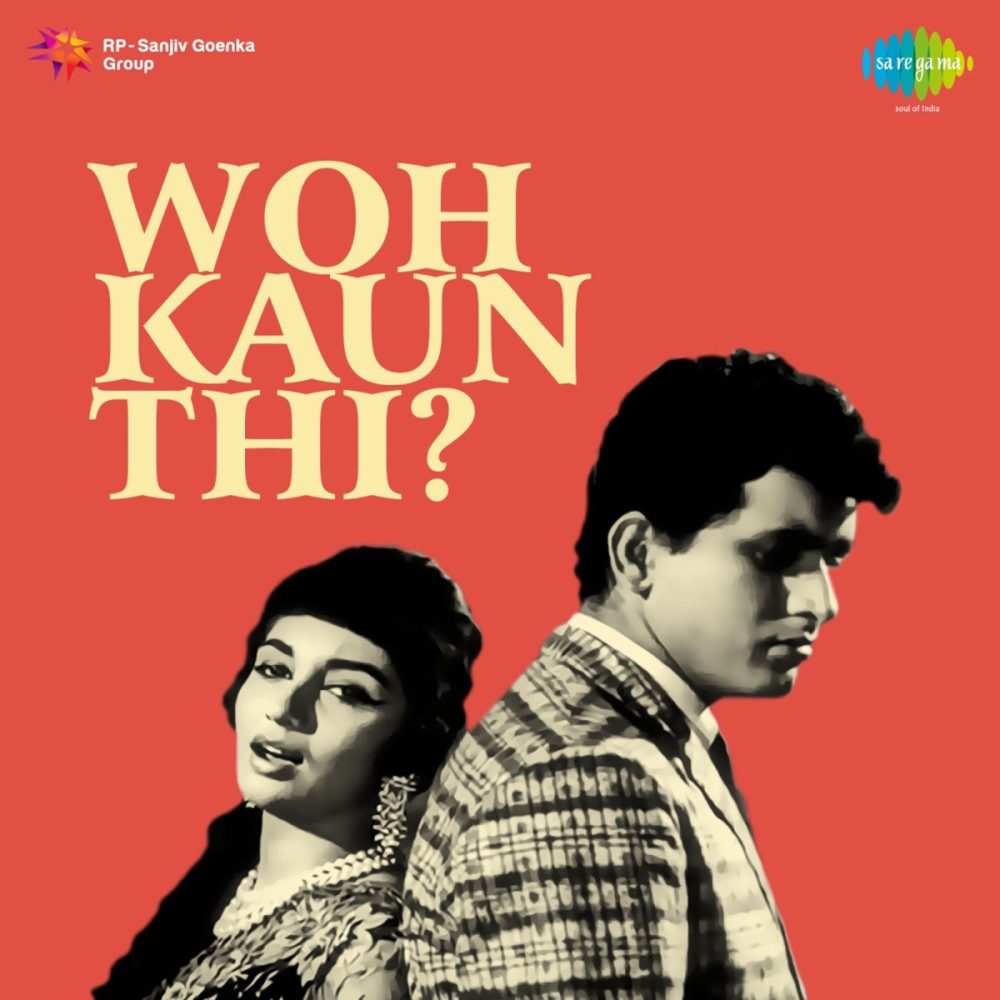
10. Lag Jaa Gale (Woh Kaun Thi?, 1964)
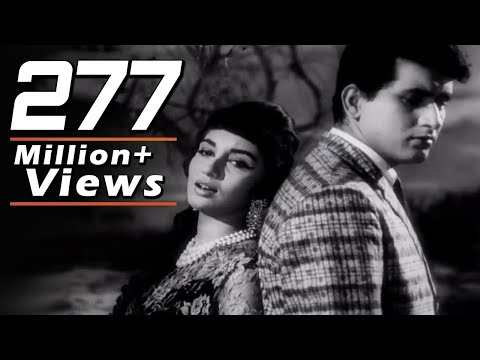
Composer: Madan Mohan. If one song had to represent her, this would be it. A plea to hold someone close because the night may not come again, sung with a tenderness that no cover has approached. The same film gave her Naina Barse, which could occupy this slot equally well.
 Lag Jaa Gale
11. Piya Tose Naina Laage Re (Guide, 1965)
Composer: S. D. Burman. A nine-minute semi-classical sequence spanning the seasons, and the piece that shows her technical command most completely. Aaj Phir Jeene Ki Tamanna Hai, from the same album, is its exuberant twin.
 Piya Tose Naina Laage Re
12. Hothon Mein Aisi Baat (Jewel Thief, 1967)
Composer: S. D. Burman. A dance number, with Bhupinder's interjections, that proved she could carry rhythm as well as melody. Burman's arrangement is one of the most adventurous of the decade.
 Hothon Mein Aisi Baat
13. Kora Kagaz Tha Yeh Man Mera (Aradhana, 1969)
Composer: S. D. Burman, with Kishore Kumar. The duet that announced the Kishore era, and a reminder that Lata was as good a partner as she was a soloist.
 Kora Kagaz Tha Yeh Man Mera
The 1970s: Range and Depth
14. Chalte Chalte (Pakeezah, 1972)
Composer: Ghulam Mohammed. Pakeezah took fourteen years to make, and its music was already a classic by the time the film released. Chalte Chalte and Inhi Logon Ne are the two Lata songs from it that every Hindi listener knows by heart.
 Chalte Chalte
15. Ek Pyar Ka Nagma Hai (Shor, 1972)
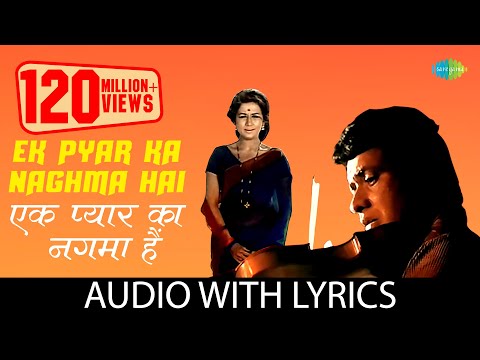
Composer: Laxmikant-Pyarelal, with Mukesh. A philosophical love song that became a Laxmikant-Pyarelal signature. The violin introduction is as famous as the vocal.
 Ek Pyar Ka Nagma Hai
16. Bahon Mein Chale Aao (Anamika, 1973)
Composer: R. D. Burman. Pancham wrote some of the most sensual melodies of the decade for her, and this is the finest: slow, teasing and entirely controlled.
 Bahon Mein Chale Aao
17. Tere Bina Zindagi Se (Aandhi, 1975)
Composer: R. D. Burman, with Kishore Kumar, lyrics by Gulzar. The great song of adult love, about two people who separated and meet again. The spoken dialogue in the middle is part of the record and part of its power.
 Tere Bina Zindagi Se
18. Satyam Shivam Sundaram (1978)
Composer: Laxmikant-Pyarelal. The title song of Raj Kapoor's film, a devotional melody sung at the top of her range with a purity that has made it a standard at concerts and temples alike.
 Satyam Shivam Sundaram
The 1980s and 1990s: The Elder Stateswoman
19. Yeh Kahan Aa Gaye Hum (Silsila, 1981)
Composer: Shiv-Hari. With Amitabh Bachchan's spoken verses, this is a song about being somewhere you should not be with someone you cannot leave. Her voice had deepened by now, and the song uses that beautifully.
 Yeh Kahan Aa Gaye Hum
20. Tujhse Naraaz Nahin Zindagi (Masoom, 1983)
Composer: R. D. Burman, lyrics by Gulzar. Anup Ghoshal's version is the one in the film's most famous scene, but Lata's version, slower and more resigned, is the one that has outlasted it.
 Tujhse Naraaz Nahin Zindagi
21. Dil Deewana (Maine Pyar Kiya, 1989)
Composer: Raamlaxman. At 60 she sang the romantic lead for a 24-year-old Bhagyashree and nobody blinked. Maine Pyar Kiya became one of the biggest soundtracks of the decade.
 Dil Deewana
22. Didi Tera Devar Deewana (Hum Aapke Hain Koun..!, 1994)
Composer: Raamlaxman, with S. P. Balasubrahmanyam. The wedding song of the 1990s. Playful, rhythmic and sung with a wink that most singers half her age could not manage.
 Didi Tera Devar Deewana
23. Jiya Jale (Dil Se, 1998)
Composer: A. R. Rahman. Rahman's production, with its Malayalam chorus and electronic textures, was unlike anything she had recorded, and she handled it as if she had been waiting for it. One of the great late-career recordings in any genre, from an album we rank among Rahman's very best.
 Jiya Jale
The 2000s: The Final Chapter
24. Tere Liye (Veer-Zaara, 2004)
Composer: Madan Mohan, with Roop Kumar Rathod. Madan Mohan had died in 1975. Yash Chopra built Veer-Zaara's entire soundtrack from his unused compositions, and Lata, in her mid-seventies, sang them as a tribute to the composer who understood her best. Tere Liye is a circle closing. We wrote about Roop Kumar Rathod's side of the partnership in this profile.
 Tere Liye
25. Luka Chuppi (Rang De Basanti, 2006)
Composer: A. R. Rahman. A mother singing to a son who has died, with Rahman answering her as the son. It was one of her last major film songs, and it is almost unbearable to listen to with the film in mind. A fitting place to end.
 Luka Chuppi
Where to Start if You Are New to Lata Mangeshkar
Begin with the Madan Mohan ghazals: Lag Jaa Gale, Aap Ki Nazron Ne Samjha and Naina Barse. They show her gift for restraint, which is the thing that separates her from every imitator. Then move to the S. D. Burman songs from Guide for technique, the R. D. Burman songs from Aandhi for emotional depth, and finish with Dil Se and Veer-Zaara to hear how the voice aged.
Listeners drawn to her ghazal work should also seek out Sajda, her 1991 album with Jagjit Singh, which we discuss in our Jagjit Singh profile. It is one of the rare non-film albums where she sounds completely unguarded.
Frequently Asked Questions
What is Lata Mangeshkar's most famous song?
Lag Jaa Gale from Woh Kaun Thi? (1964) is the song most often named as her signature. Ae Mere Watan Ke Logon is her most famous non-film recording, and Pyar Kiya To Darna Kya her most famous screen moment.
Which composer did Lata Mangeshkar work best with?
Madan Mohan, by her own account. He wrote his ghazals specifically for her voice, and their collaborations from the 1960s are considered the peak of the form in Hindi cinema.
How many songs did Lata Mangeshkar sing?
Estimates range widely, from around 5,000 verified film songs to figures above 25,000 that include regional languages and non-film work. The Guinness Book listed her as the most recorded artist for several years in the 1970s and 1980s.
When did Lata Mangeshkar die?
She died on 6 February 2022 in Mumbai, aged 92. She had received the Bharat Ratna, India's highest civilian honour, in 2001.